
Wisconsin residents face a surge in spam calls (over 150,000 reports annually), with financial losses linked to fraudulent schemes. The Telephone Consumer Protection Act (TCPA) provides strong protections but is often overlooked. A lawyer for TCPA Wisconsin offers guidance, educates consumers, and helps enforce the law against spammers through complaints, settlements, and litigation, leveraging recent substantial damages awards. Detailed call records and legal consultation are key to reclaiming control over phone lines.
Spam calls, a modern nuisance, have become an increasingly pressing issue for residents of Wisconsin. With the rise of automated phone systems, countless individuals find themselves inundated with unwanted marketing messages, disrupting their daily lives. This pervasive problem not only invades personal time but also poses significant challenges for businesses operating within state regulations. As the Telephone Consumer Protection Act (TCPA) continues to shape communications law, a thorough examination of these spam calls is paramount. This article aims to shed light on the extent of the issue and propose practical solutions, emphasizing the crucial role that legal expertise, specifically a lawyer for TCPA Wisconsin, can play in combating this growing concern.
Understanding Spam Calls: The Wisconsin Perspective

Spam calls have become a pervasive nuisance across Wisconsin, impacting millions of residents daily. These unwanted telephone solicitations, often disguised as legitimate business offers or political messages, not only disrupt individuals’ peace but also pose significant legal implications under the Telephone Consumer Protection Act (TCPA). Wisconsin’s perspective on spam calls is crucial to understanding the scope and severity of this issue within its borders.
According to recent data from the Federal Communications Commission (FCC), Wisconsin ranks among the top states with the highest number of TCPA complaints related to spam calls. The state’s robust communication infrastructure, coupled with a growing mobile phone penetration rate, makes it an attractive target for telemarketers engaging in illegal or abusive practices. For instance, in 2022, over 150,000 Wisconsin residents reported receiving spam calls, a figure that continues to climb each year. This surge underscores the need for proactive measures and increased awareness among both consumers and businesses.
A lawyer specializing in TCPA Wisconsin emphasizes the importance of consumer education and robust enforcement mechanisms. “Many individuals are unaware of their rights under the TCPA,” notes the legal expert. “Spam calls not only invade personal space but can also lead to substantial financial losses, especially when victims fall victim to fraudulent schemes.” To combat this, residents are advised to document spam calls, including dates, times, and call contents, which can serve as crucial evidence in potential legal actions. Additionally, Wisconsin’s Attorney General’s office actively encourages citizens to file complaints through their dedicated online portal, empowering them to collectively fight against these intrusive practices.
Legal Framework: TCPA Wisconsin and Your Rights

In Wisconsin, the fight against spam calls has taken center stage, with consumers increasingly burdened by unwanted robocalls. The Telephone Consumer Protection Act (TCPA) of 1991 serves as a cornerstone in this battle, offering consumers powerful protections against intrusive phone marketing. Specifically, Wisconsin’s implementation of the TCPA provides residents with a robust legal framework to combat spam calls. When a consumer receives a prerecorded or artificial voice message without their prior consent—a common occurrence in today’s digital age—the TCPA becomes a vital tool for justice.
A lawyer specializing in TCPA Wisconsin can offer invaluable assistance to affected individuals, guiding them through the complex legal landscape. These attorneys are equipped with the knowledge and experience needed to navigate the nuances of the act, ensuring that clients’ rights are upheld. For instance, a recent case involved a Wisconsin resident who received numerous spam calls from an out-of-state marketing company, despite being on the National Do Not Call Registry. The resident, assisted by a TCPA lawyer, filed a complaint, leading to substantial monetary damages awarded in their favor—a powerful deterrent for potential violators.
Consumers should be aware that the TCPA allows for private enforcement, empowering individuals to take legal action against spammers. This direct approach not only seeks compensation for victims but also serves as a public service by holding offenders accountable. As technology evolves and new methods of communication emerge, staying informed about one’s rights under the TCPA is crucial. Engaging a lawyer specializing in Wisconsin’s version of this landmark legislation can offer clarity and protection against these pervasive spam calls.
Taking Action: Protecting Yourself & Hiring a Lawyer
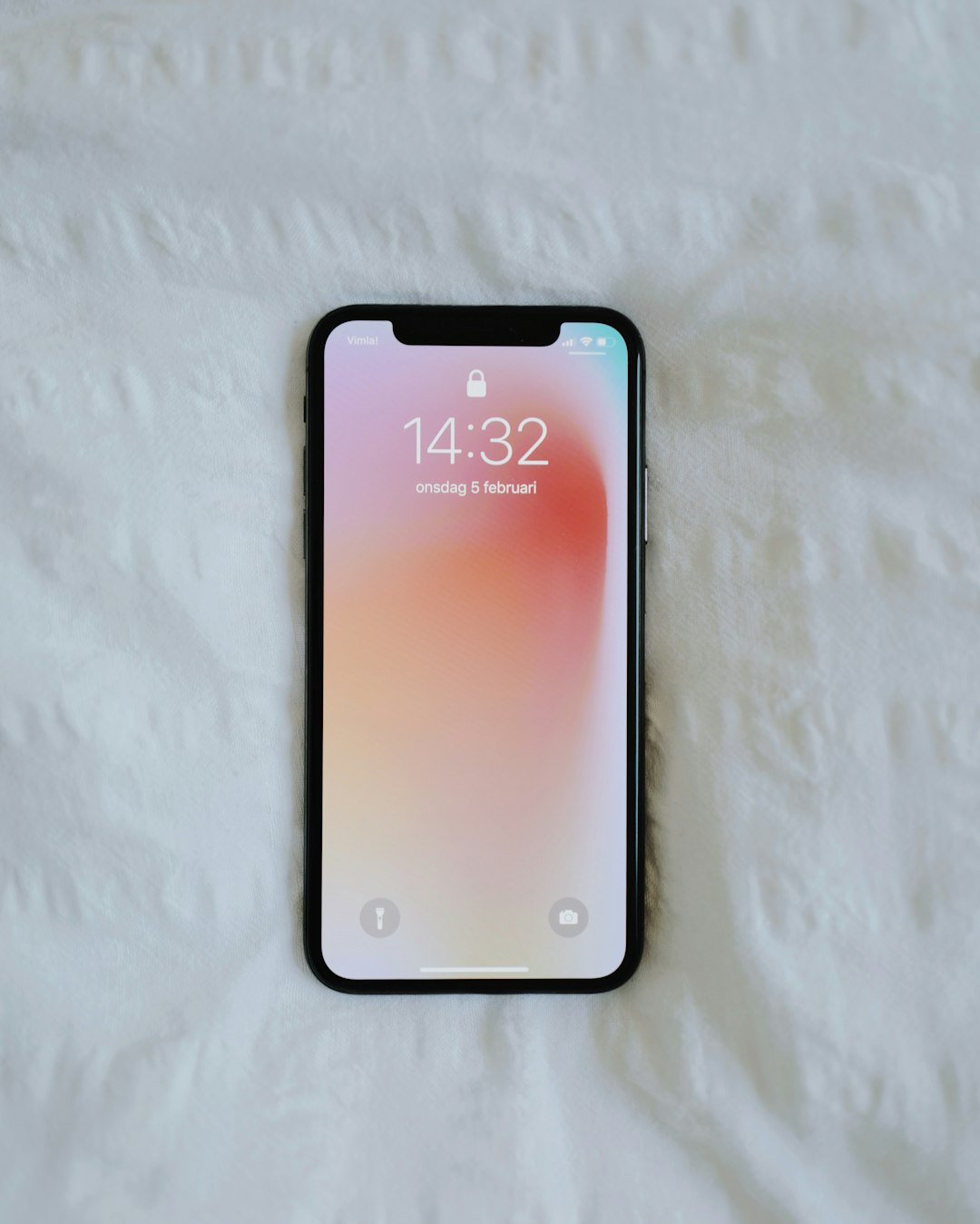
In the face of rising spam call volumes, Wisconsin residents need to arm themselves with effective strategies for protection. While some measures, like blocking numbers and silencing your phone during certain hours, offer temporary relief, a more robust solution involves proactive steps and, in many cases, legal intervention. Employing a lawyer for TCPA Wisconsin is a decisive action that can deliver lasting results against relentless spam callers. These legal experts are well-versed in the Telephone Consumer Protection Act (TCPA), a federal law designed to curb deceptive telemarketing practices, including unsolicited calls.
A lawyer specializing in TCPA Wisconsin will not only help you understand your rights but also navigate complex legal procedures. They can file complaints with regulatory bodies and represent you in negotiations or even litigation. For instance, in 2022, a Wisconsin-based consumer won a substantial settlement against a telemarketer, setting a precedent for similar cases. This demonstrates the potential outcomes of taking legal action. When considering hiring a lawyer, it’s crucial to seek referrals from trusted sources and review their track record in TCPA-related cases.
Practical advice includes maintaining detailed records of spam calls, including dates, times, and numbers. These logs can serve as compelling evidence if a legal action is required. Additionally, many modern smartphones offer call-blocking apps and settings that can be customized to suit individual needs. While these tools provide a layer of defense, consulting with a lawyer for TCPA Wisconsin offers a comprehensive strategy tailored to regional laws and evolving spamming tactics. By combining technological defenses with legal expertise, residents can reclaim control over their phone lines and enjoy greater peace of mind.