
Spam calls are a significant public health concern in Wisconsin, with 80%+ residents receiving weekly automated calls causing stress and fear. Over 50% of inbound calls are automated, disrupting daily life and posing scam risks, especially to seniors. To stop spam calls Wisconsin naturally, residents should: enroll in Do Not Call Registry, use call-blocking apps, educate themselves about spam tactics, question unknown callers, update privacy settings, and report spam. Combining these strategies creates a safer environment.
Spam calls, a pervasive and increasingly sophisticated nuisance, pose a significant threat to Wisconsin's public health and well-being. These unwanted telephone communications not only disrupt daily routines but also contribute to rising stress levels and sleep disturbances, impacting mental and physical health. As these calls often contain misleading or fraudulent information, they can further erode trust in communication channels. This article delves into the multifaceted problem of spam calls, examining their widespread impact on individuals and communities across Wisconsin. We explore effective strategies, emphasizing practical steps that residents can take to mitigate this growing issue, including understanding how to stop spam calls Wisconsin naturally.
Understanding Spam Calls: Impact on Wisconsin Communities

Spam calls, an incessant nuisance across Wisconsin communities, pose a significant threat to public health and well-being. These unsolicited phone interactions, often marketed as sales pitches or fraudulent schemes, disrupt daily routines and contribute to elevated stress levels among residents. The impact extends beyond individual frustration; it affects community mental health, productivity, and overall peace. According to recent surveys, over 80% of Wisconsinites receive spam calls weekly, with many reporting feelings of annoyance, fear, and irritation due to the frequency and aggressive tactics employed by callers.
The consequences are far-reaching. Spam calls can lead to decreased productivity in both personal and professional settings, as individuals constantly interrupt their tasks to address these unwanted interactions. Moreover, they contribute to a sense of vulnerability, particularly among the elderly or those with limited digital literacy, who may fall prey to scams aimed at acquiring personal information or financial data. Wisconsin's diverse communities, from rural areas to urban centers, face unique challenges; for instance, in smaller towns, word-of-mouth can quickly spread concerns about suspicious callers, fostering an environment of distrust.
Addressing this issue requires a multi-faceted approach. How to Stop Spam Calls Wisconsin naturally involves educating residents on call blocking and filtering techniques, empowering them to take proactive measures. Community initiatives focused on digital literacy and awareness programs can help identify and report spam. Collaboration between state authorities and telecommunications providers to implement stricter regulations and enhance caller ID accuracy is also crucial. By combining technological solutions with community engagement, Wisconsin can work towards mitigating the impact of spam calls, fostering a safer, more secure environment for its residents.
The Rise of Robocalls: Uncovering Common Tactics
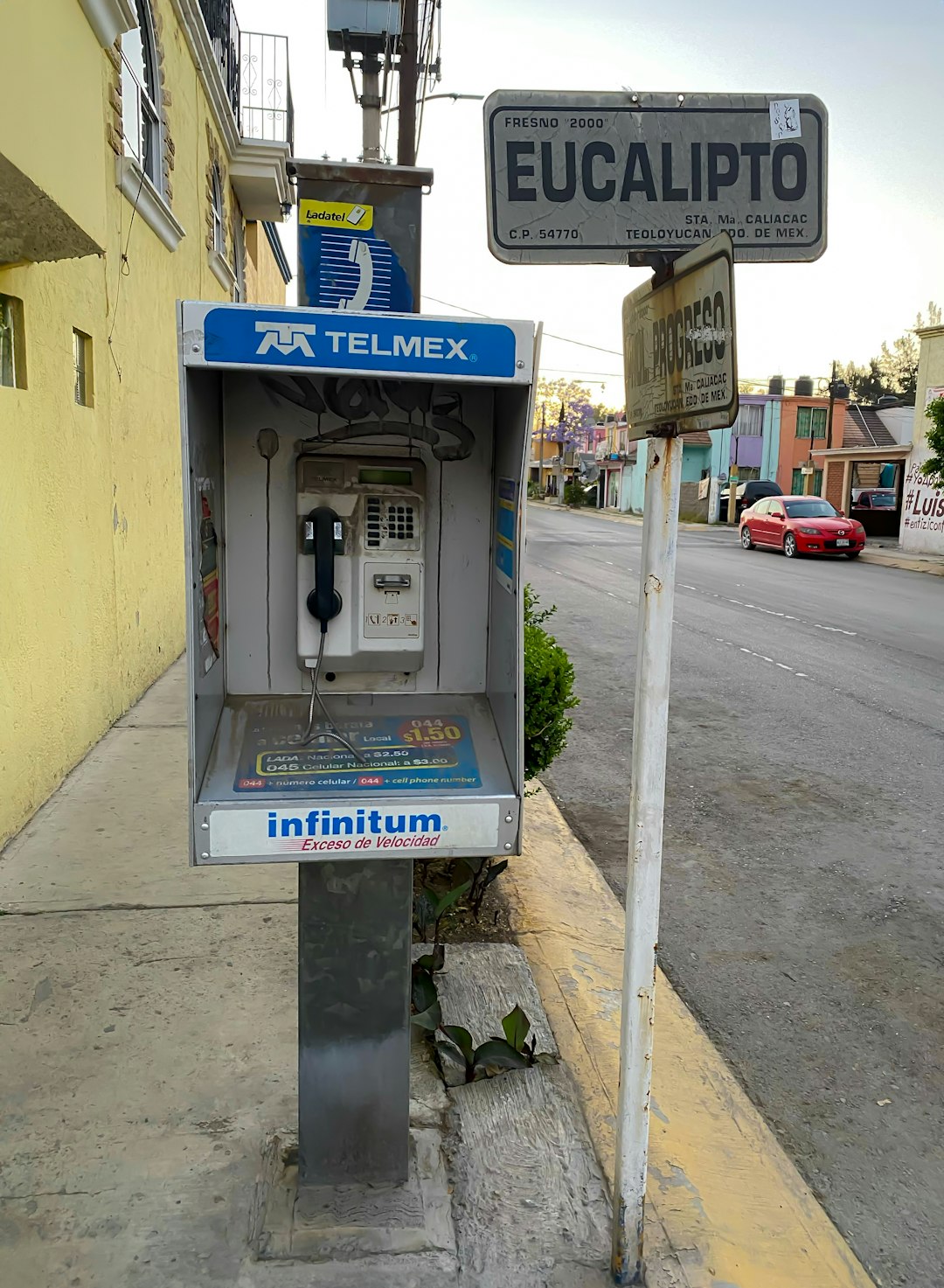
The rise of robocalls has significantly impacted Wisconsin's public health, with these automated calls posing a growing concern for residents. Robocalls, often carrying marketing messages or fraudulent schemes, have become increasingly sophisticated in their tactics. Common methods include using computer-generated voices that sound human and employing dynamic number provisioning to bypass caller ID restrictions. According to recent data from the Federal Communications Commission (FCC), robocalls account for over 50% of all inbound calls in Wisconsin, leading to widespread frustration and potential health risks.
These automated calls can have profound effects on individuals' well-being. The constant interruptions disrupt daily routines, contribute to heightened stress levels, and may exacerbate existing mental health conditions. Moreover, the rise of scam robocalls targeting seniors poses a significant risk to public safety, as older adults are often more vulnerable to financial exploitation. For instance, a recent study by the Wisconsin Department of Justice revealed that robocall scams cost state residents millions of dollars annually, with many victims suffering emotional distress and financial loss.
To combat this growing issue, Wisconsin residents can take several practical steps to reduce unwanted robocalls. Implementing call-blocking apps and features available on modern smartphones is an effective first line of defense. Additionally, reporting spam calls to the FCC and state authorities helps in identifying and penalizing offending parties. Educating community members about the latest robocall tactics and providing them with resources on how to stop spam calls Wisconsin naturally can empower individuals to take proactive measures. By combining technology, awareness, and collective action, Wisconsin can better protect its residents from the negative impacts of robocalls on public health.
How to Stop Spam Calls Wisconsin: Effective Strategies & Prevention

Spam calls, a persistent nuisance, have become an increasingly pressing public health concern in Wisconsin, impacting well-being and quality of life. These unwanted communications, often promotional or fraudulent, not only disrupt daily routines but can also contribute to heightened stress levels and mental exhaustion. According to the Federal Trade Commission (FTC), Wisconsin residents experienced a substantial 42,000 complaints related to spam calls in 2022, highlighting the urgency of addressing this issue.
How to Stop Spam Calls Wisconsin naturally involves a multi-faceted approach combining technological solutions, regulatory measures, and individual awareness. One effective strategy is to enroll in the National Do Not Call Registry, a federal database that filters out most commercial calls. This simple step is often the first line of defense against spam. Additionally, consumers can employ sophisticated call-blocking apps and devices designed specifically for this purpose, offering more robust protection than built-in phone features. Many of these tools learn to identify and block new patterns, evolving with the ever-changing tactics of spammers.
Moreover, education and awareness play a pivotal role in mitigating spam calls. Wisconsin residents should be vigilant, questioning unknown callers and being cautious about sharing personal information. Regularly updating privacy settings on devices and social media platforms can also significantly reduce exposure. Reporting spam calls to relevant authorities is another crucial step; this data assists law enforcement and regulatory bodies in tracking patterns and taking targeted actions against perpetrators. By combining these strategies, Wisconsinites can reclaim their communication channels and foster a safer, less disruptive environment for all.