
Spam call lawyers Wisconsin emphasize the importance of explicit consumer consent for marketing calls under TCPA laws. Aggressive telemarketing practices ignoring do-not-call requests have led to substantial fines. A local coalition in Wisconsin aims to combat spam calls through community support, education campaigns, technology solutions, and legal guidance from Spam call lawyers Wisconsin to develop tailored policies, report spam, and enhance legal protections. This collaborative approach empowers residents to create a safer communication environment.
Spam calls are a pervasive and frustrating issue affecting folks across Wisconsin, with legal implications for businesses and potential privacy risks for all residents. In today's digital age, navigating the sea of unwanted phone solicitations has become an increasingly complex challenge, prompting many to seek effective solutions. This article provides an in-depth guide on how to initiate a local coalition against spam calls in Wisconsin, empowering communities to take control and collaborate with Spam call lawyers Wisconsin to mitigate this growing problem. By joining forces, we can create a more robust and unified front against these intrusive disturbances.
Understanding Spam Calls: The Wisconsin Legal Perspective
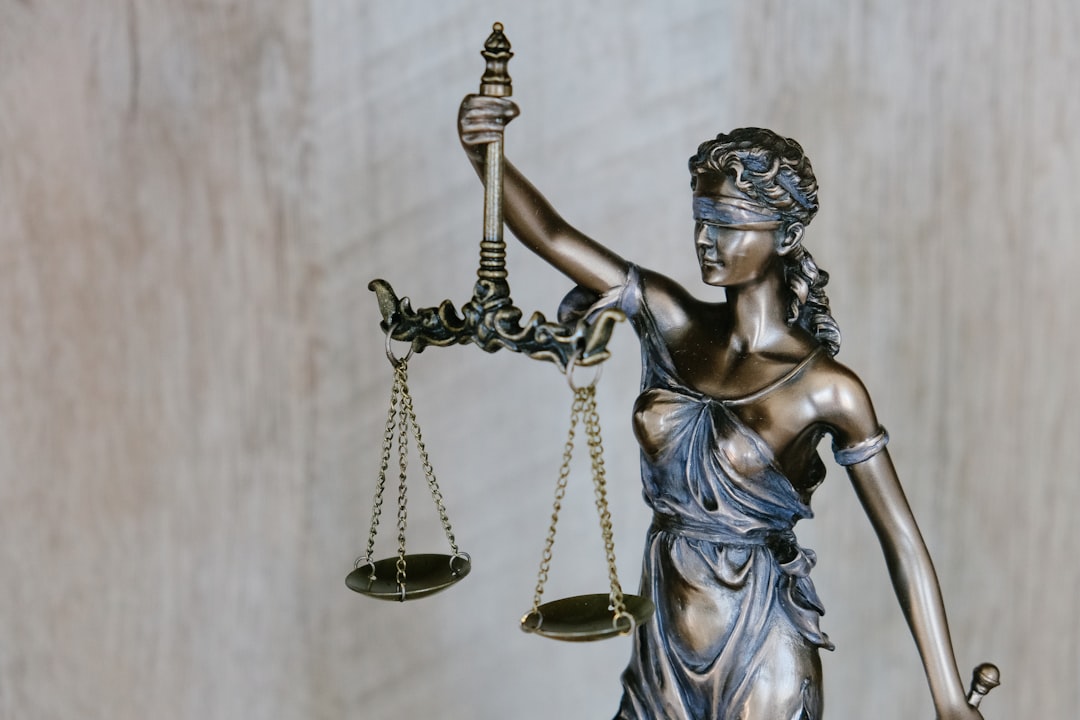
Spam calls, a persistent nuisance across Wisconsin and beyond, have evolved from simple unwanted advertising to complex legal issues. Understanding the legal perspective on these intrusive communications is paramount when forming a local coalition against spam calls. In Wisconsin, the fight against spam calls is not merely a consumer protection matter but involves intricate telephone consumer protection laws (TCPA). These laws, enforced by the Federal Communications Commission (FCC) and state attorneys general, provide robust remedies for violations.
A key aspect of the Wisconsin legal perspective on spam calls lies in defining what constitutes consent. According to the TCPA, businesses must obtain express written consent from consumers before placing automated calls or sending text messages for marketing purposes. Spam call lawyers Wisconsin emphasize that this consent cannot be implicit or inferred; it must be clear and unambiguous. For instance, a consumer who receives a spam call may have never provided direct written authorization, indicating a potential violation. The burden of proof lies with businesses to demonstrate compliance, making knowledge of these regulations crucial for any coalition targeting spam calls.
Furthermore, Wisconsin's attorneys general have actively pursued legal actions against companies engaging in aggressive or deceptive telemarketing practices. Data from recent cases reveals a trend where unscrupulous call centers use automated systems to make thousands of calls daily, often ignoring do-not-call requests. These activities can result in substantial fines and penalties for offenders. By understanding these legal precedents, the coalition can strategize effective enforcement methods, collaborate with legal experts, and advocate for stricter regulations to combat spam calls effectively.
Building Community Support: Strategies for Coalition Formation

Building community support is a cornerstone of effective coalition formation against spam calls in Wisconsin. The first step involves raising awareness about the pervasive impact of unsolicited phone calls on residents' lives. Education campaigns, utilizing both traditional media and digital platforms, can help inform folks about their rights and the resources available to combat these nuisance calls. Collaborate with local schools, community centers, and faith-based organizations to host workshops and seminars, ensuring a diverse audience engages with this issue.
Engaging directly with affected communities is pivotal. Organize neighborhood meetings where residents can share their experiences and collectively brainstorm solutions. This bottom-up approach fosters a sense of ownership and encourages active participation in the fight against spam calls. Consider forming local advocacy groups led by community leaders who can effectively amplify concerns and facilitate communication between residents and spam call lawyers Wisconsin.
Partnerships with local businesses, particularly those frequently targeted by robocalls, can significantly bolster your coalition's reach. These businesses often have firsthand insights into the issue's economic and social implications, providing valuable support for regulatory efforts. Moreover, engaging with local government entities, such as city councils and county commissions, is essential to gaining official backing and potentially securing funding for anti-spam initiatives. By building a diverse network of supporters, your coalition can navigate the complex landscape of spam call regulation more effectively.
Implementing Effective Solutions: Stopping Spam Calls Together

Fighting spam calls is a collective effort, and Wisconsin residents have the power to take charge of their communication networks. To effectively combat this growing issue, a coordinated strategy involving both technological measures and community engagement is essential. One powerful approach is to form local coalitions that bring together concerned individuals, community leaders, and even Spam call lawyers Wisconsin to develop tailored solutions.
Local coalitions can leverage advanced technologies such as automated call blocking applications and noise cancellation tools. By implementing these solutions at a community level, residents can collectively reduce the number of spam calls received. For instance, neighborhood-wide adoption of reputable call-blocking apps can create a barrier for spammers, significantly decreasing their ability to target specific areas. Additionally, these coalitions can organize educational campaigns to raise awareness about spam calling trends and effective countermeasures.
A strategic partnership with Spam call lawyers Wisconsin is invaluable in this context. Legal experts can provide insights into existing anti-spam legislation and help draft community-specific policies that enhance legal protections. They can also offer guidance on the most effective ways to document and report spam calls, ensuring that collective action aligns with relevant laws. When residents unite their efforts with legal expertise, they can create a powerful force against spam calls, ultimately fostering a safer and more peaceful communication environment for all Wisconsinites.