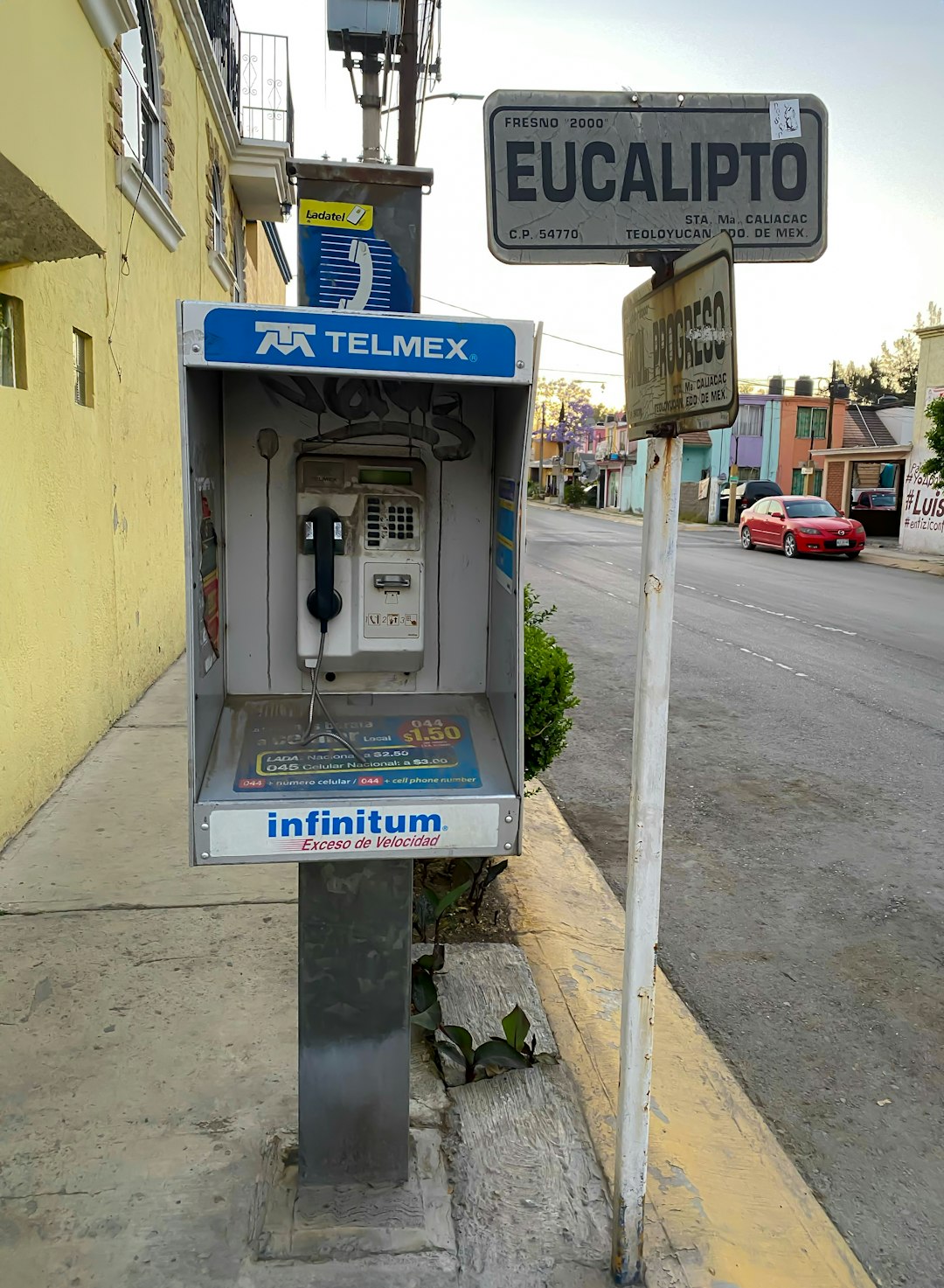
Spam call lawyers Wisconsin address a prevalent issue, helping residents navigate federal and state protections. They educate on caller identification, opt-out options, and restrictions, guiding businesses to comply. By collaborating with communities, law enforcement, and organizations, these lawyers foster awareness through workshops, social media, and educational programs. Their efforts reduce spam calls, empower individuals, and deter fraud, ensuring a safer digital environment for Wisconsin residents.
In today’s digital age, the relentless rise of spam calls has become a significant nuisance, impacting individuals and businesses alike. Wisconsin residents, like many across the nation, face an overwhelming influx of unsolicited calls, often from automated systems or call centers, posing as legitimate organizations. This pervasive issue not only disrupts daily life but also raises concerns about privacy and data security.
Spam call lawyers Wisconsin play a pivotal role in combating this modern-day challenge. By harnessing their expertise, we can navigate the intricate legal landscape to protect consumers’ rights and establish more robust defenses against these relentless intruders. This article delves into strategic solutions to foster local awareness, empowering residents with knowledge to combat spam calls effectively.
Understanding Spam Calls in Wisconsin: Legal Framework

In Wisconsin, as across the nation, spam calls remain a persistent and growing problem for consumers. Understanding the legal framework surrounding these unwanted communications is crucial to mounting an effective response. Spam call lawyers Wisconsin play a vital role in this landscape by helping residents navigate complex regulations designed to protect them from deceptive or nuisance calls. Federal laws like the Telephone Consumer Protection Act (TCPA) set broad guidelines on what constitutes permissible contact, with specific rules for automated dialers and prerecorded messages, which are frequently employed by spammers.
Wisconsin state law further reinforces these federal protections with its own regulations on telemarketing practices. These include requirements for clear and conspicuous disclosure of the caller’s identity, an opt-out mechanism, and restrictions on calling times, all aimed at empowering consumers to control their communication preferences. Spam call lawyers Wisconsin are well-versed in these laws and can offer guidance on how businesses and individuals alike should conduct themselves to avoid legal repercussions. For instance, a recent study by the Federal Trade Commission (FTC) revealed that over 40% of spam calls originate from out-of-state or international numbers, highlighting the need for consumers to be aware of their rights regardless of the caller’s location.
Practical steps include registering on the National Do Not Call Registry, a federal database that restricts telemarketing calls to registered numbers. Wisconsin residents can also seek legal counsel to investigate and block recurring spam calls, especially when these involve scams or fraudulent activity. Spam call lawyers Wisconsin can help victims pursue legal action against repeat offenders, sending a strong message that such practices will not be tolerated. By understanding their rights and working with legal experts, Wisconsinites can contribute to a significant reduction in spam calls, creating a safer and less disruptive communications environment for all.
Strategies for Community Education and Awareness

In Wisconsin, as across the nation, spam calls have become a persistent and increasingly frustrating issue for residents. To combat this growing problem, fostering local awareness of spam calls is crucial. Community education and awareness strategies are essential tools for empowering individuals to recognize, report, and reduce the impact of unwanted telephone solicitations.
One effective approach involves collaborations between local government, law enforcement agencies, and community organizations. Wisconsin spam call lawyers can play a pivotal role in these partnerships by providing expert insights and legal expertise. They can organize workshops and seminars to educate residents on the latest tactics used by scammers and how to identify potential spam calls. For instance, these sessions can cover patterns like automated voice messages, prerecorded prompts, or requests for personal information. By equipping community members with such knowledge, they become better equipped to protect themselves from falling victim to fraudulent schemes.
Additionally, leveraging digital platforms and social media can significantly enhance awareness efforts. Local authorities and community leaders should utilize these channels to share practical tips on blocking spam calls, reporting techniques, and the legal protections available. For example, a proactive campaign could involve running targeted ads on social media with clear instructions on how to register for call-blocking services or report suspicious calls to local law enforcement. Engaging with residents in this manner not only raises awareness but also fosters a collective sense of responsibility in combating spam calls.
Moreover, integrating educational content into existing community programs can be highly effective. Local schools and community centers can incorporate lessons on cybersecurity and privacy into their curriculums, teaching young people about the dangers of spam calls and how to protect themselves online. Similarly, senior citizen groups can organize special sessions tailored to addressing common scams targeting older adults. These targeted initiatives ensure that all segments of Wisconsin’s population have access to valuable information, promoting a culture of vigilance and awareness against spam calls.
Engaging Spam Call Lawyers Wisconsin: A Community's Defense

In the ongoing battle against spam calls, Wisconsin communities can fortify their defenses by engaging the expertise of Spam Call Lawyers Wisconsin. These legal professionals specialize in navigating complex regulations surrounding telemarketing practices, empowering them to combat the deluge of unwanted calls that plague residents daily. By leveraging their deep understanding of state and federal laws, Spam Call Lawyers Wisconsin play a pivotal role in protecting community members from deceptive or abusive calling tactics.
One of the key strategies employed by these lawyers involves educating both businesses and consumers about legitimate calling practices. Through workshops, webinars, and informational campaigns, they dispel common myths surrounding telemarketing laws, fostering a culture of awareness. For instance, many residents are unaware that they have the legal right to opt-out of receiving automated calls or that specific types of calls, like political messages, may require explicit consent. By spreading this knowledge, Spam Call Lawyers Wisconsin empower individuals to take proactive measures against spam calls, further reducing their impact on the community.
Moreover, these lawyers collaborate with local law enforcement agencies and consumer protection organizations to establish robust reporting mechanisms for abusive calling patterns. They advocate for stricter penalties against call centers engaging in fraud or harassment, ensuring that perpetrators face consequences for their actions. Data from Wisconsin shows that collaborative efforts between legal experts and regulatory bodies can significantly curb spam calls over time, demonstrating the tangible benefits of such partnerships. As a result, communities become better equipped to safeguard their residents’ peace of mind and privacy in today’s digital landscape.